


Eco-Friendly Commercial Kitchen Cleaning Methods
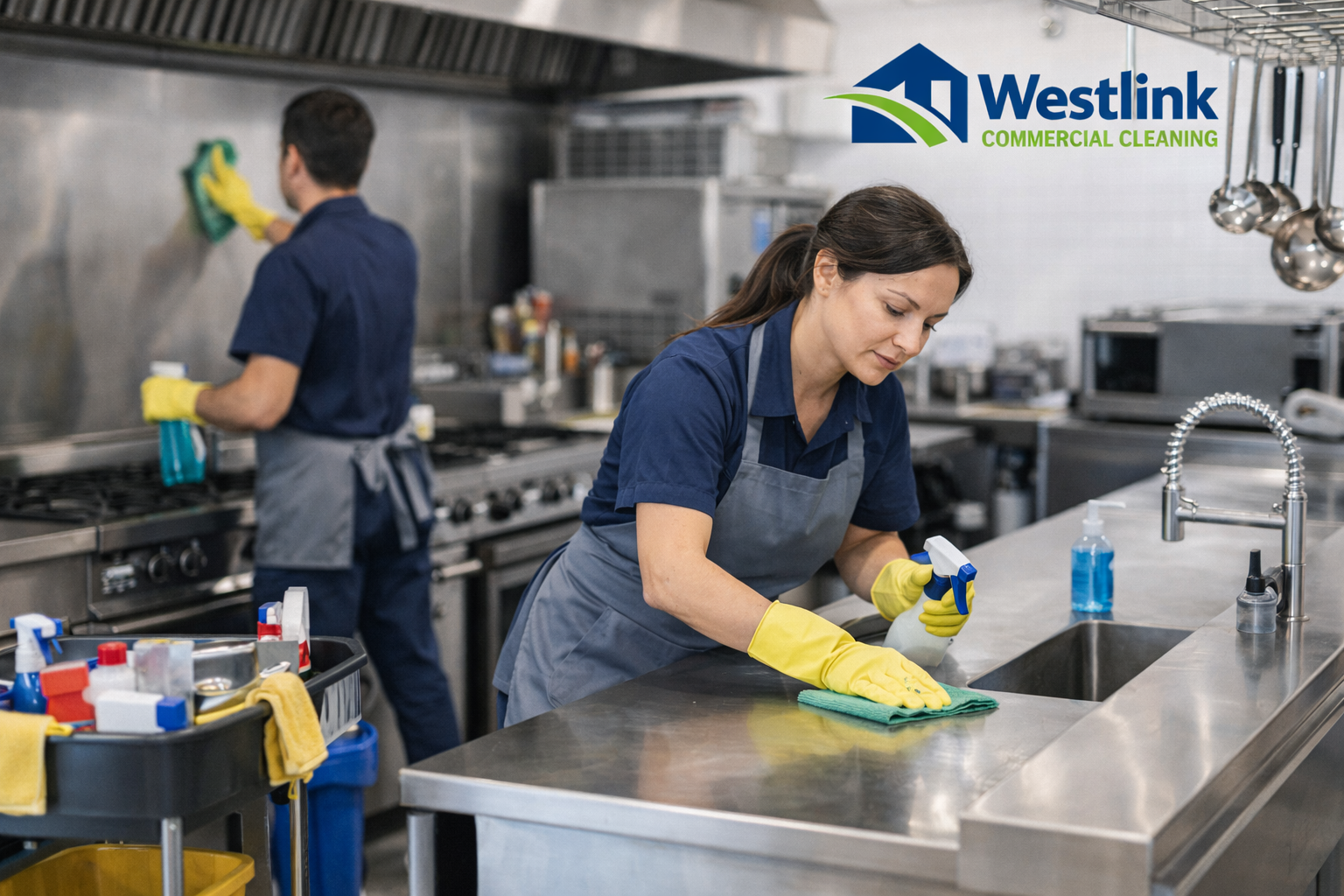
Maintaining a clean and hygienic environment is essential in any commercial kitchen, but relying on harsh chemical cleaners can pose significant risks to both the environment and staff health. Eco-friendly cleaning methods offer a sustainable, non-toxic, and highly efficient alternative, combining natural agents, biodegradable solutions, and safe techniques to achieve impeccable cleanliness without compromising safety or sustainability. From reducing chemical runoff and water waste to minimizing exposure to harmful substances, these methods ensure a healthier workplace while supporting environmental responsibility. For businesses seeking professional support, incorporating commercial kitchen cleaning services that specialize in green and eco-conscious practices can further enhance hygiene standards, operational efficiency, and long-term sustainability.
Understanding Types of Eco-Friendly Commercial Kitchen Cleaning
Eco-friendly commercial kitchen cleaning involves a variety of approaches tailored to different surfaces, equipment, and hygiene requirements. Each type ensures sustainability, reduces chemical exposure, and maintains impeccable sanitation standards. Understanding the types helps kitchens implement methods effectively and responsibly.
-
Steam-Based Cleaning: This method uses high-temperature vapor to sanitize surfaces and lift stubborn grease naturally. It penetrates ovens, grills, and exhaust hoods efficiently. Steam cleaning supports sustainable hygiene while minimizing water and chemical usage.
-
Enzyme and Biodegradable Cleaning: Enzyme formulations break down fats, proteins, and organic residues safely and effectively. They maintain clean drains, sinks, and food-contact surfaces without toxic chemicals. These solutions promote environmental responsibility while preventing buildup and odors.
-
Mechanical and Microfiber Techniques: Microfiber cloths, mops, and manual scrubbing lift dirt, grease, and bacteria without harmful detergents. This physical approach works on counters, floors, and cabinets. It combines efficiency with reduced chemical reliance for greener cleaning practices.
-
Natural Acid and Abrasive Methods: Substances like vinegar, citric acid, and baking soda remove stains, mineral deposits, and tough grime safely. These techniques are ideal for stainless steel, tiles, and cutting boards. They ensure hygienic surfaces while supporting non-toxic, eco-conscious kitchen maintenance.
1. Steam Cleaning
Steam cleaning harnesses high-temperature vapor to effectively loosen stubborn grease, baked-on residues, and surface bacteria in commercial kitchens. This method penetrates cracks and tight spaces, ensuring deep sanitation without the use of chemical detergents. It is highly effective on ovens, grills, stovetops, and exhaust hoods, where grime tends to accumulate. Beyond cleaning, it helps maintain hygienic conditions by eliminating harmful microorganisms and odors. Additionally, this approach minimizes water usage while delivering thorough, environmentally responsible results.
2. Enzyme-Based Cleaning
Enzyme-based solutions utilize naturally occurring proteins to break down fats, oils, and organic matter efficiently. They target sinks, drains, grease traps, and oven residues, preventing accumulation and maintaining smooth wastewater flow. Being biodegradable and safe, these formulations reduce environmental impact and exposure to toxic substances for kitchen staff. They effectively digest organic deposits without leaving harmful residues on surfaces or food-contact areas. Overall, this approach supports sustainable sanitation while keeping high-traffic areas free of buildup.
3. Microfiber Cleaning
Microfiber materials provide superior dirt and grease removal by physically capturing particles from surfaces rather than relying on chemical agents. Countertops, tables, cabinets, walls, and floors benefit from this method, which enhances hygiene and reduces cross-contamination. The durability of microfiber cloths and mops allows repeated use, lowering waste and environmental footprint. Their fine fibers reach into small crevices, ensuring even the tiniest particles are lifted efficiently. By combining effectiveness with sustainability, this method maintains pristine conditions without toxic exposure.
4. Hot Water and Physical Scrubbing
The combination of high-temperature water and manual scrubbing efficiently eliminates persistent grease and food residues. Pots, pans, stovetops, and floor surfaces become free from buildup, ensuring a hygienic working environment. This approach avoids harsh chemical use, reducing environmental strain and protecting staff from irritants. Physical agitation ensures that even stubborn grime is fully removed, enhancing overall cleanliness. It is a reliable and sustainable practice that upholds sanitation standards while minimizing negative ecological impact.
5. Vinegar and Natural Acid Cleaning
Natural acids like vinegar dissolve mineral deposits, grease, and stains while providing mild antibacterial action on surfaces. Stainless steel, sinks, tiles, and glass respond effectively, restoring shine without chemical residues. This method is non-toxic and fully biodegradable, protecting the environment and ensuring safe contact with food preparation areas. It also neutralizes odors, enhancing overall kitchen freshness. By integrating this technique, kitchens maintain sustainable hygiene with reduced reliance on harmful cleaning agents.
6. Baking Soda and Abrasive Cleaning
Baking soda offers a gentle abrasive action that effectively removes stubborn grease, stains, and odors without harsh chemicals. It works exceptionally well on oven interiors, grills, cutting boards, and drains, restoring surfaces to a clean and polished state. Combining it with water or vinegar enhances its cleaning power while remaining completely biodegradable. This method ensures high hygiene standards in food preparation areas while minimizing environmental impact. Its versatility and non-toxic nature make it a sustainable solution for heavy-duty residue removal.
7. Steam-Vacuum Systems
Steam-vacuum systems combine the sanitizing power of high-temperature steam with simultaneous residue extraction for thorough cleaning. They are ideal for floors, tiles, and high-traffic areas, where dirt and grease accumulate quickly. By lifting grime and capturing moisture in one step, these systems reduce the need for chemical agents. The efficiency of this method ensures consistent hygiene while conserving water and minimizing labor. It is an environmentally responsible solution for maintaining spotless and sanitary kitchen environments.
8. Cold Water Pressure Cleaning
Cold water pressure cleaning utilizes high-pressure water jets to remove grease, food particles, and surface dirt effectively. It is particularly suited for outdoor kitchen areas, exhaust fans, and heavy-duty equipment where stubborn residues build up. This method eliminates the need for chemicals, making it safe for both staff and the environment. Fast and efficient, it saves time while ensuring deep sanitation. Cold water pressure cleaning supports sustainable kitchen practices while maintaining high levels of cleanliness.
9. Steam Infusion for Large Equipment
Steam infusion injects high-temperature vapor directly into industrial ovens, fryers, and large appliances to loosen baked-on grime and residue. It penetrates hard-to-reach areas that are often difficult to clean manually, providing thorough sanitation. This approach eliminates chemical cleaners while reducing the effort required for scrubbing. By maintaining optimal hygiene in major equipment, it ensures compliance with cleanliness standards. Steam infusion is a reliable, eco-conscious method for keeping large kitchen appliances clean and safe.
10. Scheduled Preventive Cleaning Method
Scheduled preventive cleaning implements eco-friendly techniques regularly to prevent residue buildup and maintain continuous hygiene. Routine tasks like daily wipe-downs, weekly enzyme treatments, and monthly deep steam applications minimize the need for harsh cleaning chemicals. Consistency ensures that surfaces, drains, and equipment remain clean, reducing labor intensity over time. This method supports sustainable practices while keeping kitchens sanitary and safe for food preparation. Proactive maintenance ensures long-term cleanliness and environmental responsibility.
Common Mistakes to Avoid in Eco-Friendly Commercial Kitchen Cleaning
Even with eco-friendly methods, improper practices can reduce effectiveness and compromise hygiene. Avoiding common errors ensures safe, sustainable, and efficient cleaning in every area of the kitchen. Being aware of pitfalls helps maintain high standards while protecting staff and the environment.
-
Overusing Green Products: Excessive application of biodegradable or enzyme cleaners can leave residues that attract dirt. Proper measurement and dilution are essential. Balanced usage ensures surfaces remain clean without environmental impact.
-
Neglecting Hard-to-Reach Areas: Corners, vents, and behind equipment often accumulate grease unnoticed. Ignoring these spaces can compromise sanitation. Regular attention prevents buildup and maintains comprehensive hygiene.
-
Using Damaged Tools: Worn-out microfiber cloths, brushes, or mop heads reduce cleaning efficiency and spread contaminants. Replacing tools on schedule preserves performance. Maintaining proper equipment supports sustainable and effective cleaning.
-
Skipping Preventive Practices: Relying solely on deep cleaning without routine maintenance increases labor and chemical use. Daily or weekly eco-friendly interventions prevent grime and odor buildup. Preventive care enhances sanitation while reducing waste.
Benefits of Eco-Friendly Commercial Kitchen Cleaning
Implementing green cleaning methods delivers advantages for kitchens, staff, and the environment. These practices support hygiene, sustainability, and operational efficiency. Understanding these benefits encourages consistent adoption and long-term results.
-
Healthier Work Environment: Non-toxic and biodegradable products reduce exposure to harmful chemicals. Staff experience fewer respiratory or skin irritations. Safer surfaces improve overall workplace well-being.
-
Environmental Sustainability: Reducing chemical runoff, water use, and non-recyclable waste protects ecosystems. Biodegradable solutions minimize pollution. These practices support eco-conscious kitchen operations.
-
Cost and Resource Efficiency: Preventive cleaning and reusable tools lower the need for frequent replacements. Efficient methods reduce water and energy consumption. This combination results in long-term savings for the business.
-
Enhanced Hygiene and Food Safety: Eco-friendly approaches remove grease, bacteria, and food residues effectively. Regular and targeted cleaning ensures sanitary preparation areas. High hygiene standards contribute to safe, compliant kitchen operations.
Conclusion
Adopting eco-friendly commercial kitchen cleaning methods is crucial for maintaining a safe, hygienic, and sustainable kitchen environment. Utilizing biodegradable cleaners, steam cleaning, enzyme-based solutions, microfiber tools, and natural acids ensures comprehensive sanitation while reducing chemical exposure and environmental impact. Regular implementation of these green cleaning strategies prevents grease buildup, eliminates bacteria, and enhances overall hygiene compliance, safeguarding both staff and food safety. Even tasks like kitchen doors cleaning benefit from eco-conscious methods, maintaining sparkling, sanitary surfaces without harmful chemicals. Integrating preventive routines and sustainable kitchen practices not only improves operational efficiency but also highlights a kitchen’s commitment to being environmentally responsible and health-conscious. Ultimately, these eco-conscious approaches foster a professional, safe, and long-term sustainable environment, supporting employee well-being and creating a kitchen that meets modern hygiene and sustainability standards.
Frequently Asked Questions
What makes a commercial kitchen cleaning method eco-friendly?
An eco-friendly method uses biodegradable, non-toxic products and sustainable techniques that minimize environmental impact. It focuses on reducing chemical exposure, conserving water, and maintaining high hygiene standards without harming staff or the surrounding ecosystem.
Can enzyme cleaners replace traditional chemical degreasers?
Yes, enzyme cleaners naturally break down fats, oils, and organic residues. They are effective for drains, grease traps, and ovens while being safe for food-contact surfaces and reducing chemical waste.
Are steam cleaning methods safe for all kitchen surfaces?
Steam cleaning is safe for most heat-resistant surfaces, including ovens, grills, and tiles. Delicate materials should be tested first, but it offers a chemical-free way to sanitize and remove stubborn grease effectively.
How does microfiber cleaning improve sanitation in kitchens?
Microfiber cloths and mops capture fine particles, grease, and bacteria physically without relying on harsh chemicals. Their reusable nature reduces waste, and their dense fibers ensure thorough cleaning of counters, floors, and cabinets.
Is vinegar effective for commercial kitchen cleaning?
Vinegar is a natural acid that dissolves grease, mineral deposits, and stains. It is biodegradable, non-toxic, and safe for surfaces like stainless steel, tiles, glass, and even kitchen doors, supporting an eco-conscious sanitation routine.
What are the environmental benefits of green kitchen cleaning?
Using biodegradable cleaners and sustainable methods reduces water and chemical waste, prevents pollution, and lowers energy consumption. This promotes healthier staff conditions and contributes to long-term environmental responsibility.
How often should eco-friendly cleaning be applied in a busy kitchen?
The frequency depends on usage, but daily wiping with microfiber cloths and weekly enzyme or vinegar treatments keeps surfaces hygienic. Regular preventive cleaning reduces heavy buildup and maintains sanitation efficiently.
Can cold water pressure cleaning be used indoors safely?
Cold water pressure cleaning is typically suited for outdoor areas or heavy-duty equipment. Indoors, it should be applied carefully to avoid water damage, focusing on durable surfaces like tiles and stainless steel.
Do eco-friendly cleaning methods save operational costs?
Yes, sustainable methods often reduce chemical purchases, water consumption, and equipment wear. Preventive routines lower labor intensity and extend the lifespan of kitchen surfaces and appliances, providing cost efficiency over time.
Are green cleaning methods effective against bacteria and viruses?
Many eco-friendly methods, such as steam, enzyme-based solutions, and natural acids, effectively remove bacteria and some viruses. While they are non-toxic, combining techniques ensures comprehensive sanitation in high-touch areas.





 English
 French
 Spanish
 Portuguese
 Deutsch
 Turkish
 Dutch
Dutch
 Italiano
 Russian
 Romaian
 Portuguese (Brazil)
 Greek
Greek